
Ongoing Flooding Challenges in The Acreage
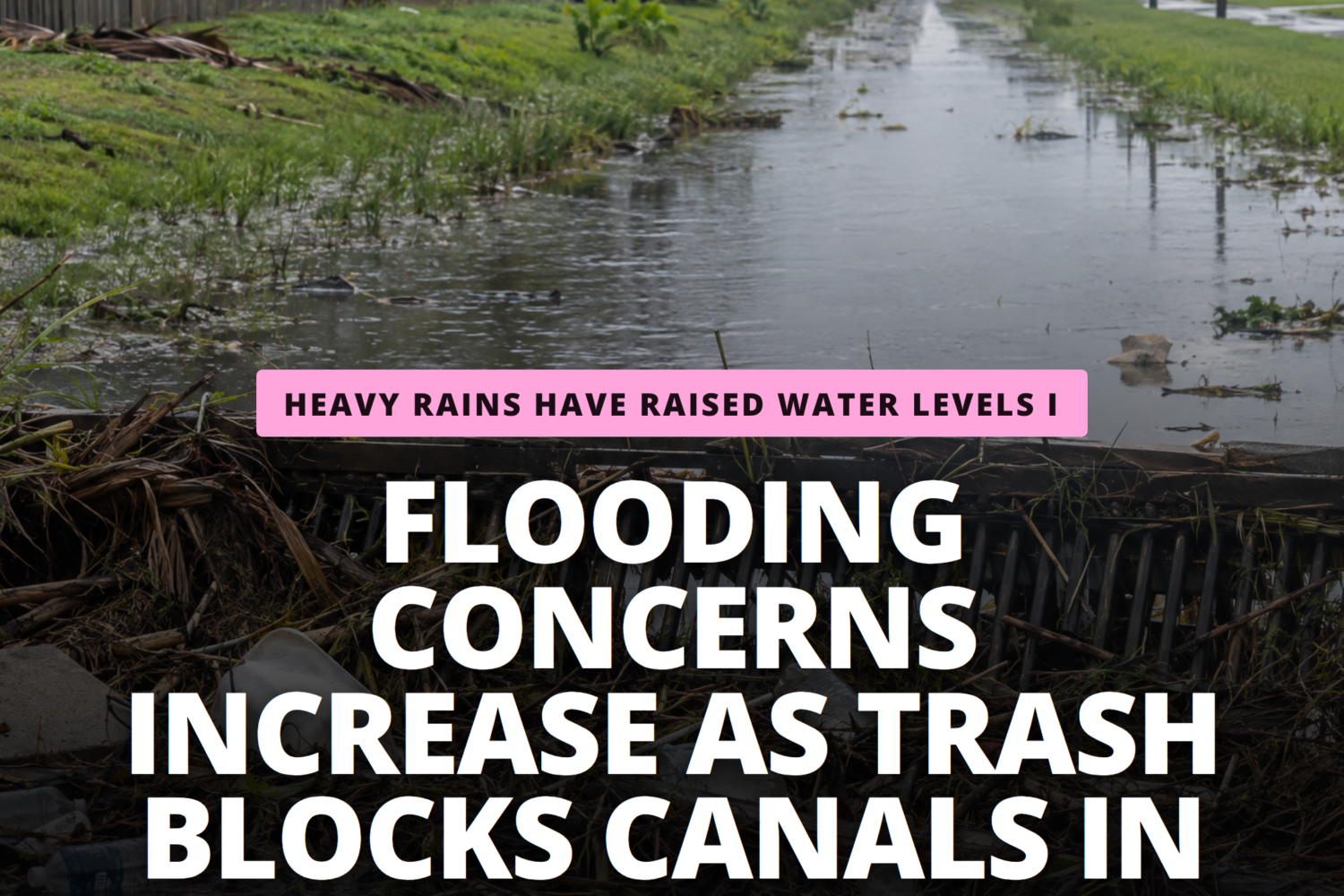
Following days of heavy rain, crews from the Indian Trail Improvement District have been working tirelessly, pumping water early mornings and late nights to reduce elevated water levels in The Acreage. Despite continuous efforts since last week’s flooding, water levels in key impoundments remain higher than desired.
Board President Elizabeth Accomando reported that the south impoundment is nearly a foot above the target level, while the north impoundment is about two feet above where officials would like it to be. Crews are committed to ongoing pumping to manage the situation.
Trash and Debris Clogging Drainage Canals
One significant obstacle complicating flood management is the accumulation of trash and yard debris blocking pipes and canals. Accomando highlighted various items found floating in the canals, including coolers, bottles, personal items, deflated balls, toys, coconuts, and even a bag of softballs stuffed into a pipe.
These blockages cause water to backflow into residents’ properties, exacerbating flooding issues. When crews must pause to clear these obstructions, it delays efforts to keep water moving out of flooded neighborhoods.
Shared Responsibility for Drainage Maintenance
While the district manages over 1,000 miles of canals, swales, and ditches, Accomando emphasized that residents also play a crucial role in maintaining proper drainage. She urged residents to be mindful of their property by raking up vegetation left after curbside pickup and keeping swales clear to prevent debris from washing into drainage pipes.
Accomando noted that the district is currently handling hundreds of calls and requests from residents and asked for patience as staff work to respond as quickly as possible.
Design Intentions and Water Management
Accomando explained that The Acreage was intentionally designed to hold water on individual properties. Houses are built higher than the lots, with low areas designed to retain water until it can be absorbed by the ground, which helps recharge local aquifers. Swales may either move water or hold it, depending on the area, but all parts of the system must work together.
She also discussed how older lots and new construction can affect drainage. Some residents have altered their properties by filling ponds or removing berms, which can cause water to flow onto neighboring properties, creating disputes and drainage problems.
Mosquito Concerns Amid Standing Water
With many yards still underwater, mosquito activity is a concern. Accomando recommended residents eliminate standing water in small containers and use larvicide products in larger areas. While natural predators like wading birds and toads help control mosquitoes, the district cannot fully eliminate mosquito risks.
Residents are encouraged to protect themselves with appropriate clothing and insect repellent, especially at dusk.
Source: Original report